⚠️ For Research Purposes Only. This content discusses published scientific research and clinical trial data. It is not medical advice. Consult a qualified healthcare provider before making any health decisions.
Last updated: February 10, 2026
Understanding Your Starting Point
Before exploring GLP-1 peptide research, establishing baseline health markers provides valuable context for tracking changes over time.
Get baseline bloodwork. At minimum: fasting glucose, HbA1c, comprehensive metabolic panel, lipid panel, and thyroid function (TSH, free T4). If you suspect PCOS, add fasting insulin, total and free testosterone, DHEA-S, and SHBG. These numbers give you a baseline to measure progress against — and they’ll show improvements you can’t see in the mirror.
Take starting measurements. Weight, waist circumference, hip circumference, and progress photos (same lighting, same angle, same time of day). The scale tells one story; measurements and photos tell a more complete one.
Prioritize protein intake. GLP-1 receptor agonists reduce appetite, which means the food you do eat matters more. Stock high-protein options: eggs, Greek yogurt, cottage cheese, chicken, fish, lean beef. When you’re eating less volume, every bite should count toward your protein goal.
Understanding the Clinical Trial Protocols
The major GLP-1 clinical trials all used carefully designed dose-escalation schedules. Understanding these protocols provides important context for what the research shows about optimal titration.
Semaglutide (STEP trials): The STEP-1 trial protocol (Wilding et al., NEJM 2021) used a 16-week dose escalation: 0.25mg weekly for 4 weeks → 0.5mg → 1.0mg → 1.7mg → 2.4mg maintenance dose. Many trial participants achieved clinically meaningful results at intermediate doses without reaching 2.4mg.
Tirzepatide (SURMOUNT trials): The SURMOUNT-1 trial (Jastreboff et al., NEJM 2022) escalated from 2.5mg weekly for 4 weeks → 5mg → 7.5mg → 10mg, with maintenance doses of 5mg, 10mg, or 15mg depending on the study arm.
Retatrutide (TRIUMPH trials): The TRIUMPH-2 trial (Jastreboff et al., NEJM 2023) started all groups at 1mg weekly for 4 weeks, then escalated to 2mg → 4mg → 8mg → 12mg for the highest-dose group.
The common thread across all trial programs: gradual dose escalation over 16-20 weeks was associated with significantly better tolerability than rapid escalation. The protocols prioritized sustained adherence over reaching maximum dose quickly.
What Clinical Trials Show About Administration
All three compounds were administered via subcutaneous injection once weekly in their respective trial programs. Trial protocols specified injection in the abdomen, thigh, or upper arm, with site rotation between injections.
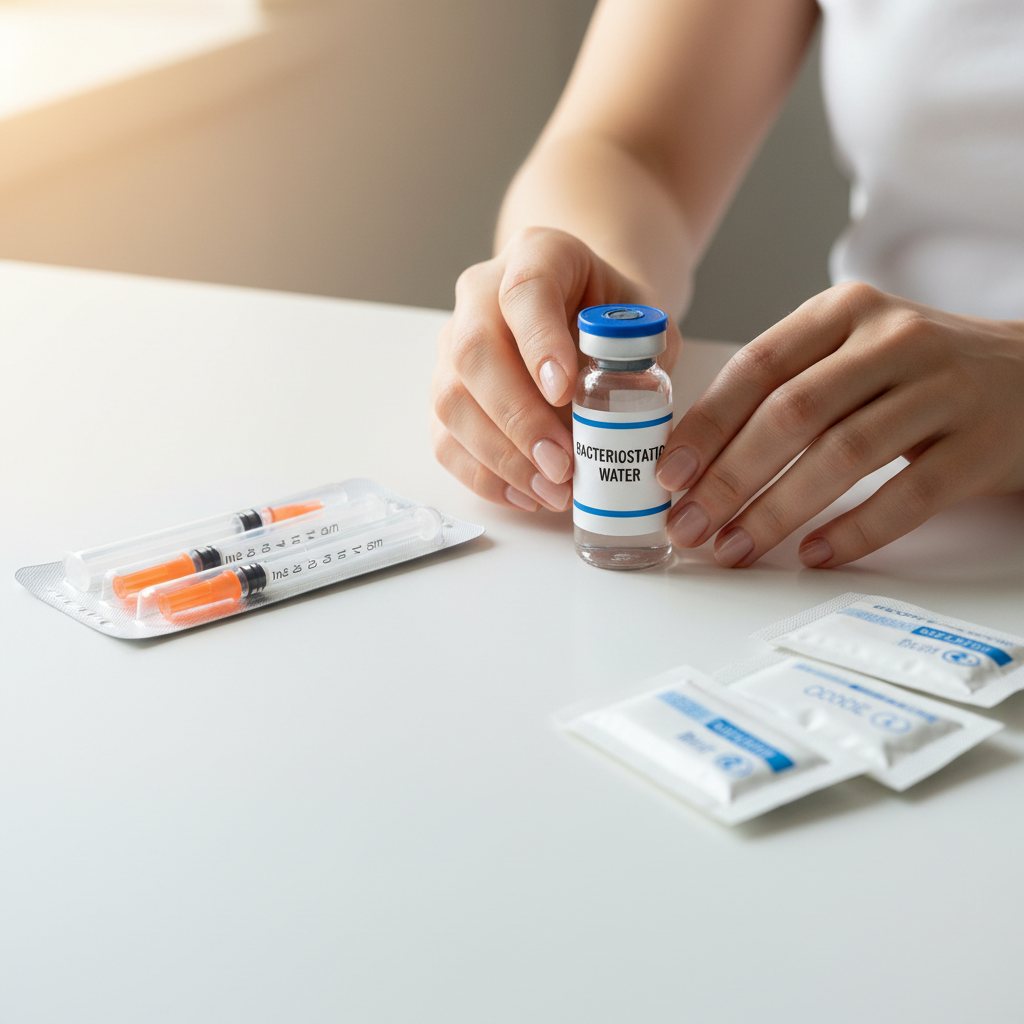
Research-grade peptides come as lyophilized (freeze-dried) powder. For clinical trial protocol details and the dose-response data behind each compound, see our GLP-1 comparison page.

What Trial Participants Experienced: Side Effects
Side effects were most commonly reported during dose escalation periods and typically resolved within 1-2 weeks at each new dose level across all major trials. Here’s what the data shows:
Nausea — the most frequently reported adverse event, especially during dose increases.
- Eating smaller, more frequent meals was associated with better tolerability in trial participants
- Avoiding greasy, fatty, or heavily spiced foods during titration periods helped
- Ginger — tea, chews, or supplements — has documented antiemetic properties
- Trial protocols allowed participants to remain at their current dose for an additional 4 weeks if side effects were intolerable before reattempting escalation
- Peppermint tea and small amounts of carbonated water were commonly reported as helpful
Constipation — the second most common side effect, consistent with GLP-1-mediated slowing of gastric emptying.
- Increased water intake — 80-100 oz daily — is recommended
- Gradual fiber increase (psyllium husk, vegetables, berries) supports gut motility
- Magnesium citrate (300-400mg before bed) is well-tolerated and effective
- Physical activity — even walking — supports gut motility
Fatigue — usually temporary and often related to reduced caloric intake rather than the medication itself.
- Adequate caloric intake matters — appetite suppression is helpful, but undereating causes fatigue
- Prioritizing protein stabilizes energy better than carbohydrates
- Women should typically maintain at least 1,200 calories daily even with reduced appetite
- If fatigue persists beyond 3-4 weeks, checking bloodwork (especially iron and thyroid) is advisable
Hair shedding — some women experience increased hair loss starting 2-4 months into GLP-1 therapy.
- This is telogen effluvium — a stress response to rapid weight loss, not a direct drug effect
- It’s temporary and resolves as weight stabilizes
- Adequate protein (100+ grams daily), iron, biotin, and zinc support hair health
- Slowing the rate of weight loss by remaining at a lower dose can help
What to Eat: Nutrition During GLP-1 Research
GLP-1 receptor agonists reduce appetite naturally. What you eat with that reduced appetite matters more, not less.
Protein is the priority. Aim for at least 100 grams daily — ideally 1 gram per pound of your goal body weight. When you’re eating less overall, getting enough protein is what preserves your muscle mass, supports your metabolism, and keeps you feeling strong. Good sources: chicken, fish, eggs, Greek yogurt, cottage cheese, lean beef, turkey, protein shakes.
Build every meal around a protein source first, then add vegetables and healthy fats. If you can only eat a small amount, make it protein.
Reduce processed carbs. Cravings for bread, pasta, and sweets diminish noticeably for most women on GLP-1 therapy — that’s the neurological reward pathway modulation documented by Blundell et al. (2017). Lean into it. When you do eat carbs, choose complex sources: vegetables, berries, sweet potatoes, legumes.
Healthy fats in moderation. Avocado, olive oil, nuts, and fatty fish support hormone production and nutrient absorption. Don’t avoid fat — just moderate it, since GLP-1 agonists slow fat digestion and large fatty meals can trigger nausea.
Hydration is critical. Aim for 80-100 oz of water daily. This is especially important with reduced food intake and for preventing constipation. Add electrolytes if you’re drinking significant amounts of water.

Exercise: What Actually Matters
You don’t need to become a gym person. But some targeted exercise dramatically improves results based on the clinical data:
Resistance training (2-3 times weekly): This is the most important type of exercise during GLP-1-associated weight loss. Weightlifting, resistance bands, or bodyweight exercises signal your body to preserve muscle mass. Without it, muscle loss accompanies fat loss, which reduces metabolism and changes body composition unfavorably. Even two 30-minute sessions per week makes a measurable difference.
Walking (daily): Low-intensity movement supports digestion, mood, and gentle caloric expenditure without spiking appetite. A 30-minute daily walk is one of the highest-return activities available.
What to skip (for now): High-intensity cardio on a caloric deficit can be counterproductive — it increases appetite, cortisol, and the risk of muscle loss. If you enjoy it, keep it light. Prioritize resistance training and walking.
Tracking Progress
The scale is one data point, not the only one — and often not the most useful one. Track comprehensively:
- Weekly weigh-ins: Same day, same time, same conditions (morning, after bathroom, before food). Once a week maximum.
- Measurements: Waist, hips, thighs — biweekly or monthly. These often change when the scale doesn’t.
- Progress photos: Monthly, same lighting, same angle, same time of day.
- How clothes fit: Often the earliest indicator of change.
- Energy levels and sleep quality: Subjective but meaningful markers of metabolic improvement.
- Lab work: Recheck at 3 months and 6 months. Compare to your baseline.
Storage Considerations
Unreconstituted peptides: Stable at room temperature for weeks to months. Refrigeration recommended for extended storage. Avoid heat, direct sunlight, and moisture.
Reconstituted peptides: Published stability data supports refrigeration at 2-8°C with use within 28-30 days. Discard if the solution becomes cloudy, discolored, or develops particles.
Frequently Asked Questions
What if a dose is missed?
Clinical trial protocols specified that missed doses should be administered within 5 days of the scheduled date. If more than 5 days passed, the dose was skipped and the regular schedule resumed.
What time of day should injections happen?
The STEP trials found no clinically meaningful difference in absorption based on time of administration. Consistency — same day each week — mattered more than specific timing.
When should I talk to a doctor?
Ideally before starting — especially with other medications, diabetes, thyroid conditions, or a history of pancreatitis. Seek immediate medical attention for: severe abdominal pain that doesn’t resolve, signs of allergic reaction (swelling, difficulty breathing), or symptoms of pancreatitis.
Why Product Purity Matters
research peptide vendors carries semaglutide, tirzepatide, and retatrutide with independent third-party testing certificates (Janoshik HPLC analysis) on every batch. That level of transparency — published COAs verifying purity above 98% — is what separates verified product from unknown quality.
This article is for educational purposes only and does not constitute medical advice. Consult a qualified healthcare provider before starting any new supplement or medication. See our full medical disclaimer.
The easier path: If researching peptide vendors and reconstitution protocols sounds like more than you signed up for, the prescription route exists. Delilah connects you with providers who prescribe FDA-approved GLP-1s like Wegovy and Mounjaro. You skip the sourcing, the mixing, the guesswork. It costs more, but for a lot of women it’s the right call.